CONFERENCE FOR TEACHERS AND PARENTS IN BRISBANE
Authors:
Bożena Iwanowska
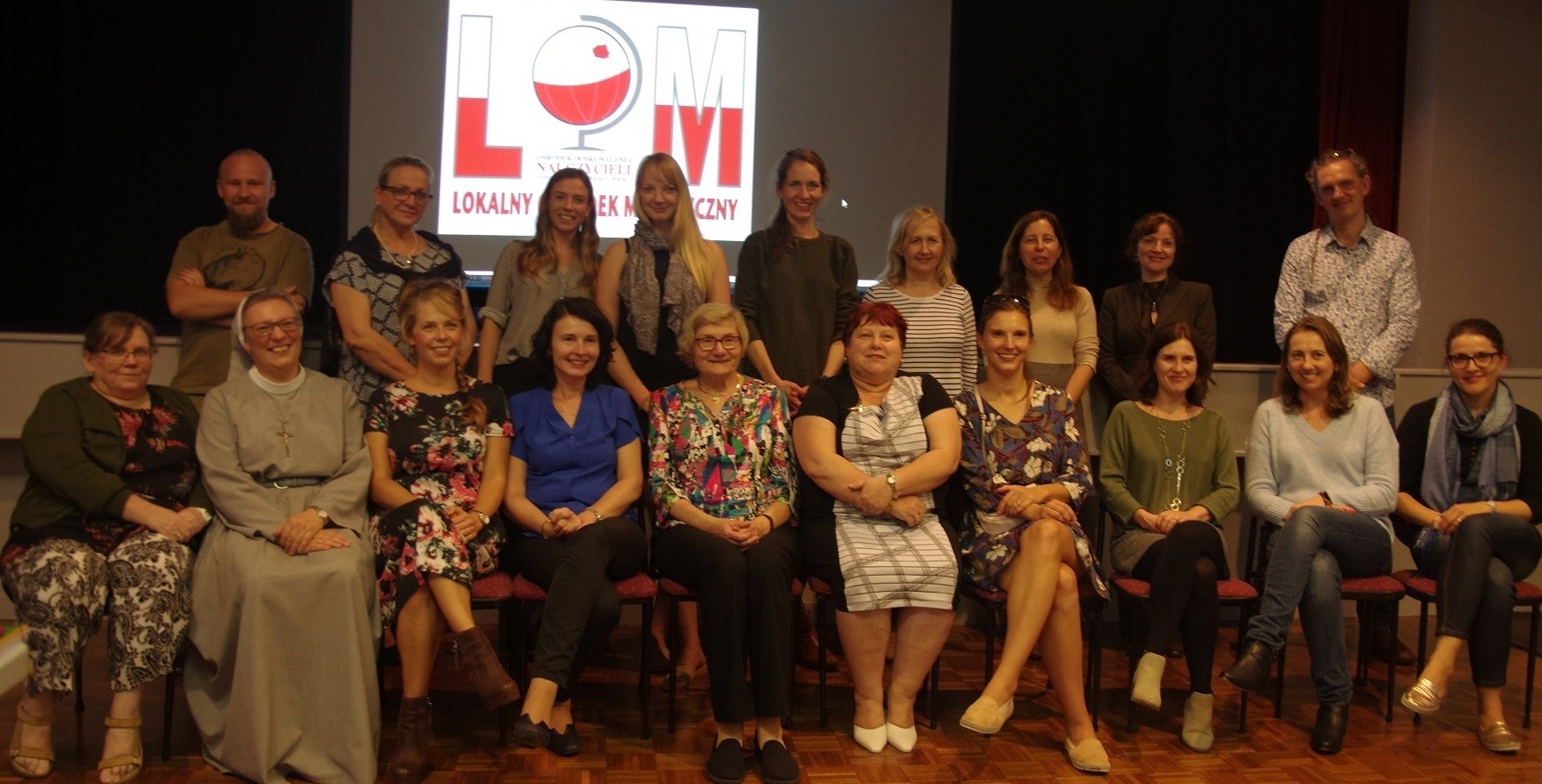
On the 17th of May 2019, a conference organised by the Local Methodical Centre (LOM) in Australia for teachers and parents of Polish community schools took place in Brisbane. In a well-prepared room, a group of over twenty young and enthusiastic teachers and parents from the Father Kasjan Wolak Polish School in Bowen Hills, which has existed at the Catholic Centre since 1956, gathered.
The Polish School in Brisbane is comprised of a team of qualified teachers who passionately dedicate themselves to community work and share their knowledge about Poland and Polish culture. Classes for children aged 3 to 17 are held on Saturday mornings. There is also a playgroup for the youngest, and in the evenings on Tuesdays, classes for adults take place. The school co-organises many Polish events in Brisbane and actively participates in the life of the Australian Polish community.
The conference began on Friday with a shared dinner. Immediately following the dinner, the first part of the conference commenced, during which the idea of LOM in Australia, its goals, and main tasks were presented.
The next day, participants met with Bożena Iwanowski – the methodical advisor of LOM Australia, who presented a database of materials for use and discussed natural learning strategies for children, including learning through play.
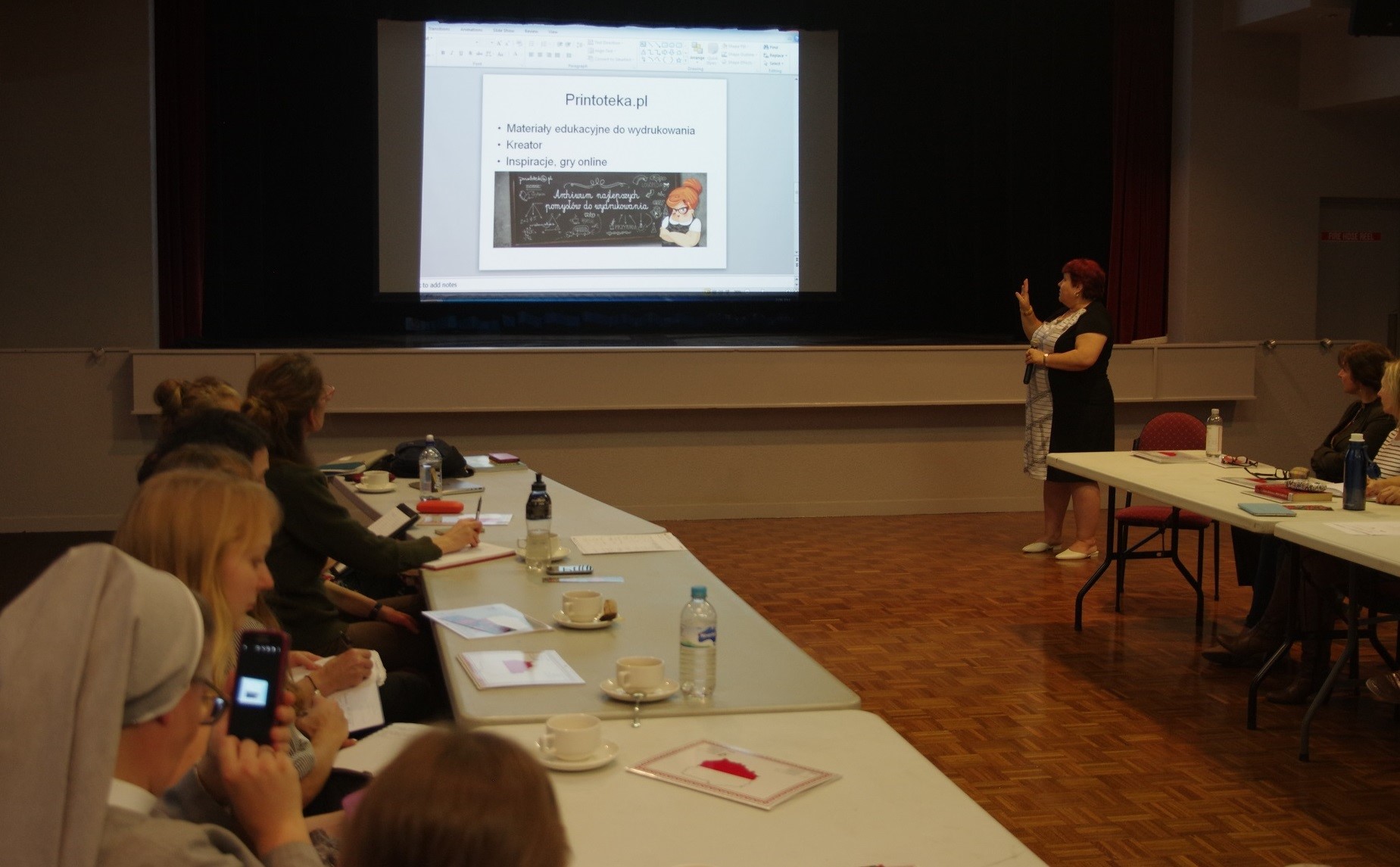
The second part of the conference for parents and teachers, dedicated to bilingualism, was presented by Elżbieta Cesarska – the Chairperson of the Polish Education Commission in Australia and also the director of North Shore Polish School in Sydney. During this part, interesting information and materials were presented, and participants eagerly discussed how to help children with difficulties. We also talked about the role of speech therapists and psychologists in language education and the need to organise future speech therapy and psychological consultations that could assist parents and teachers in overcoming children's learning difficulties.
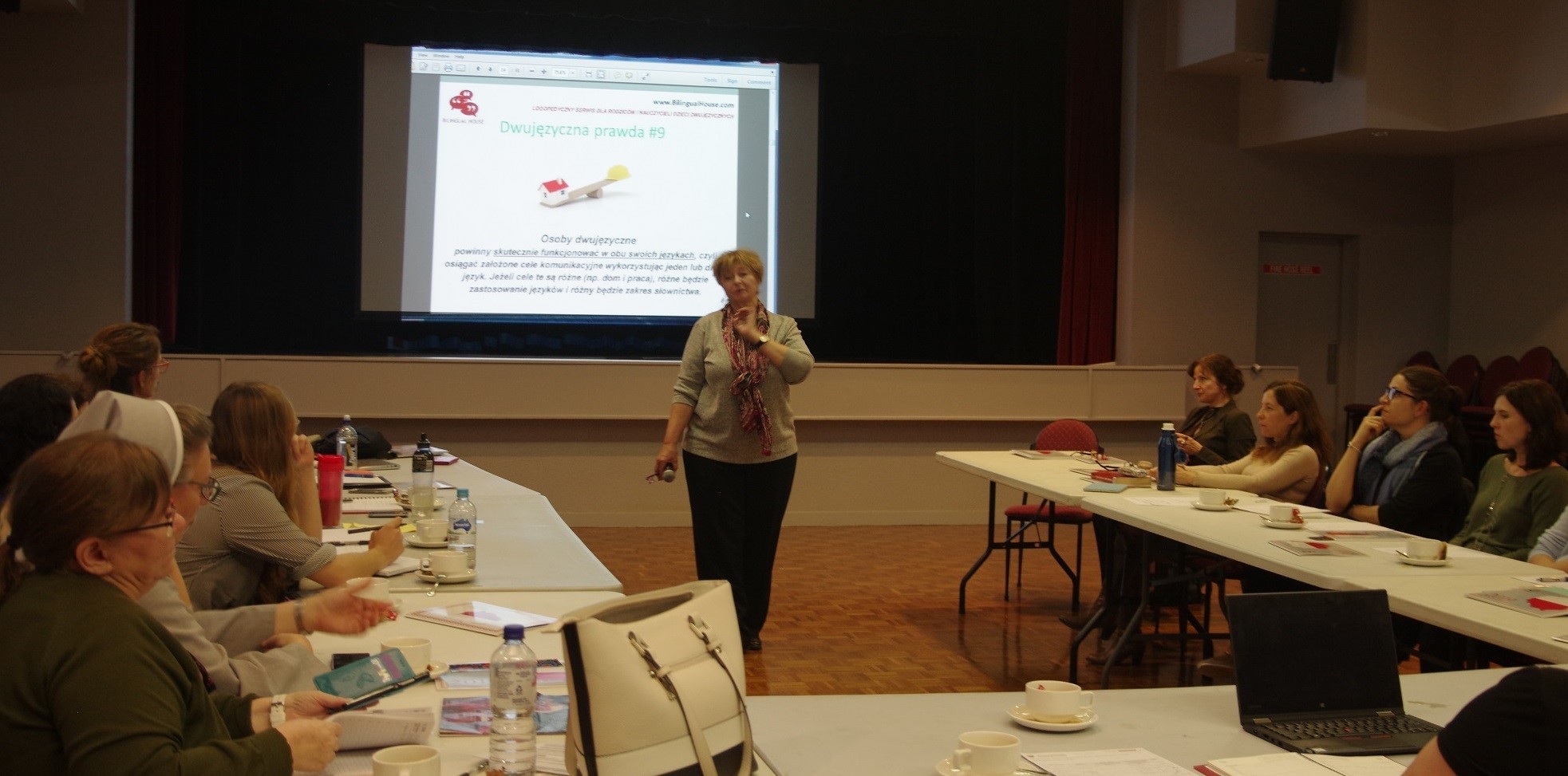
We all know the advantages of multilingualism, yet sometimes it is difficult to motivate ourselves to teach a child from birth a heritage language. This can be especially challenging when a spouse speaks a different language. It is a difficult process, but success yields future benefits.
Subsequently, we had a lecture by Dr Sylwia Gręda-Bogusz and a presentation on historical meetings for teachers prepared annually by the Institute of National Remembrance. The next item on the agenda was a presentation about the possibilities of using online materials and about collaboration and exchange of information on the Facebook group "Education with Passion – Polish Community Teachers in Australia".
At the conclusion of the conference, we had a summarising discussion, during which many interesting questions were asked. Participants shared their ideas, such as organising a language camp at a centre in Australia for students from all states. We ended the conference with a proposal to meet next year for a two-day conference combined with workshops.
I would like to extend my heartfelt thanks to the methodologists and the School's President – Anna Roedron, for their assistance in preparing the Conference for teachers and parents of Polish community schools.